
Why I built Discipline Lock.
I was born after the year 2000.
Sometimes I feel incredibly lucky to have grown up through so many waves of technological change. I didn't just read about the internet revolution — I lived through it. From Web 2.0 and social networks, to the rise of Web 3.0, and now into the AI era, I've watched technology reshape the way we learn, work, communicate, and spend our time.
Information has become faster, denser, and more accessible than ever before. The cost of learning has never been lower. But the cost of losing our attention has never been higher.
At first, the phone was a tool. It helped us connect with the world, learn new things, and meet new people. But slowly, it started shaping our lives in return. We pick up our phones more often. We stay on them longer. And many times, we don't open them with intention — we get pulled in by them.
What truly started to worry me was realizing that this is no longer just a problem for young people.
More and more adults are becoming trapped by their phones too. After work, someone opens an app just to relax for ten minutes, and suddenly it's midnight. Parents hand their phones to their kids to buy a few quiet moments, and those kids can end up scrolling short videos for an entire afternoon.
This is not simply a failure of willpower. It is a problem of the era we live in.
Today, information, entertainment, algorithms, and short-form videos are all designed to capture attention more effectively than our brains are designed to resist them. It is not fair to expect people to fight that system with willpower alone. Most people already know they should spend less time on their phones. They already know they should move more, sleep better, and live healthier lives. But every time they try to change, a faster, easier, more immediate reward pulls them back.
That is why I built Discipline Lock.
I didn't want to build another app blocker based only on timers, reminders, warnings, or a "give me five more minutes" button. I know from experience that if a tool has an obvious loophole, people will eventually talk themselves into using it.
I wanted to build something more real, more healthy, and more sustainable:
A system where real exercise unlocks digital freedom.
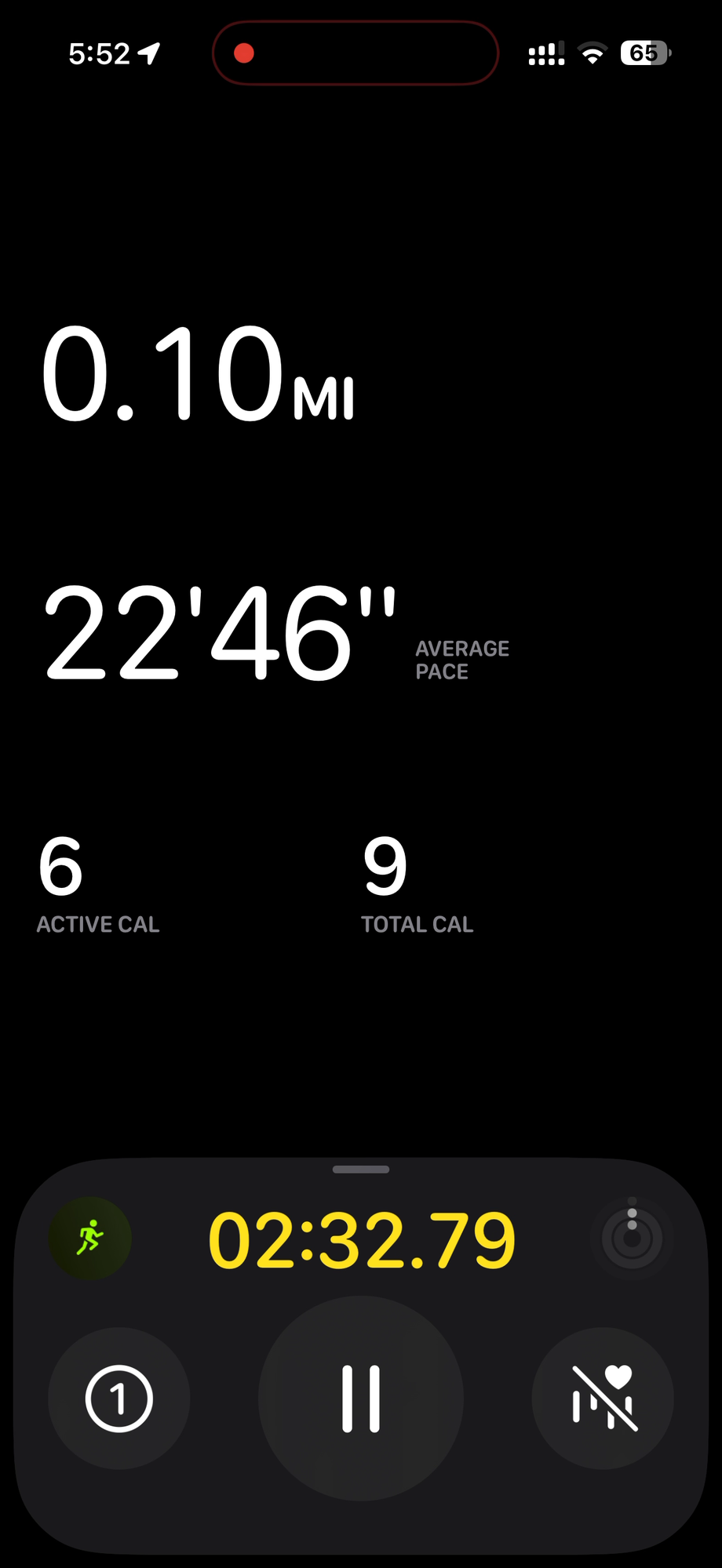
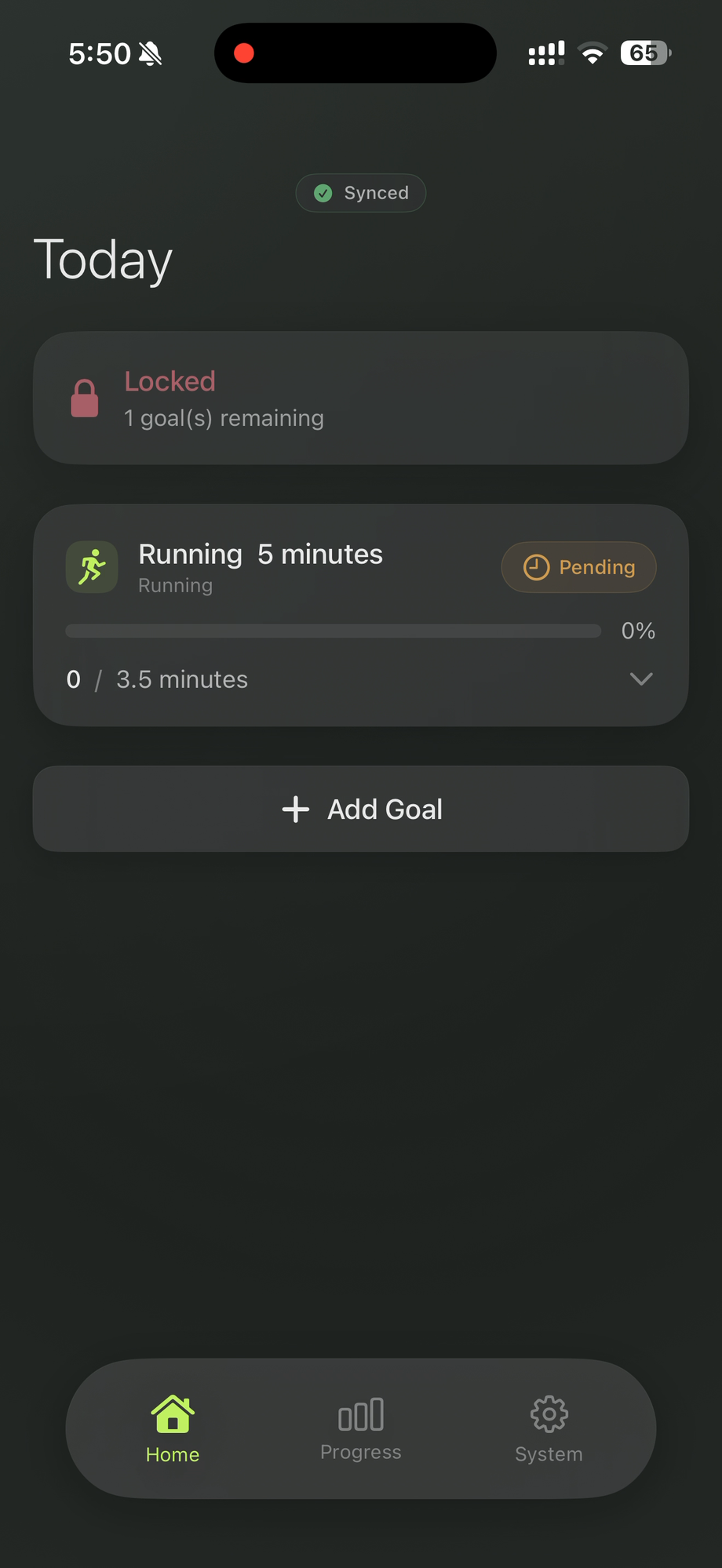
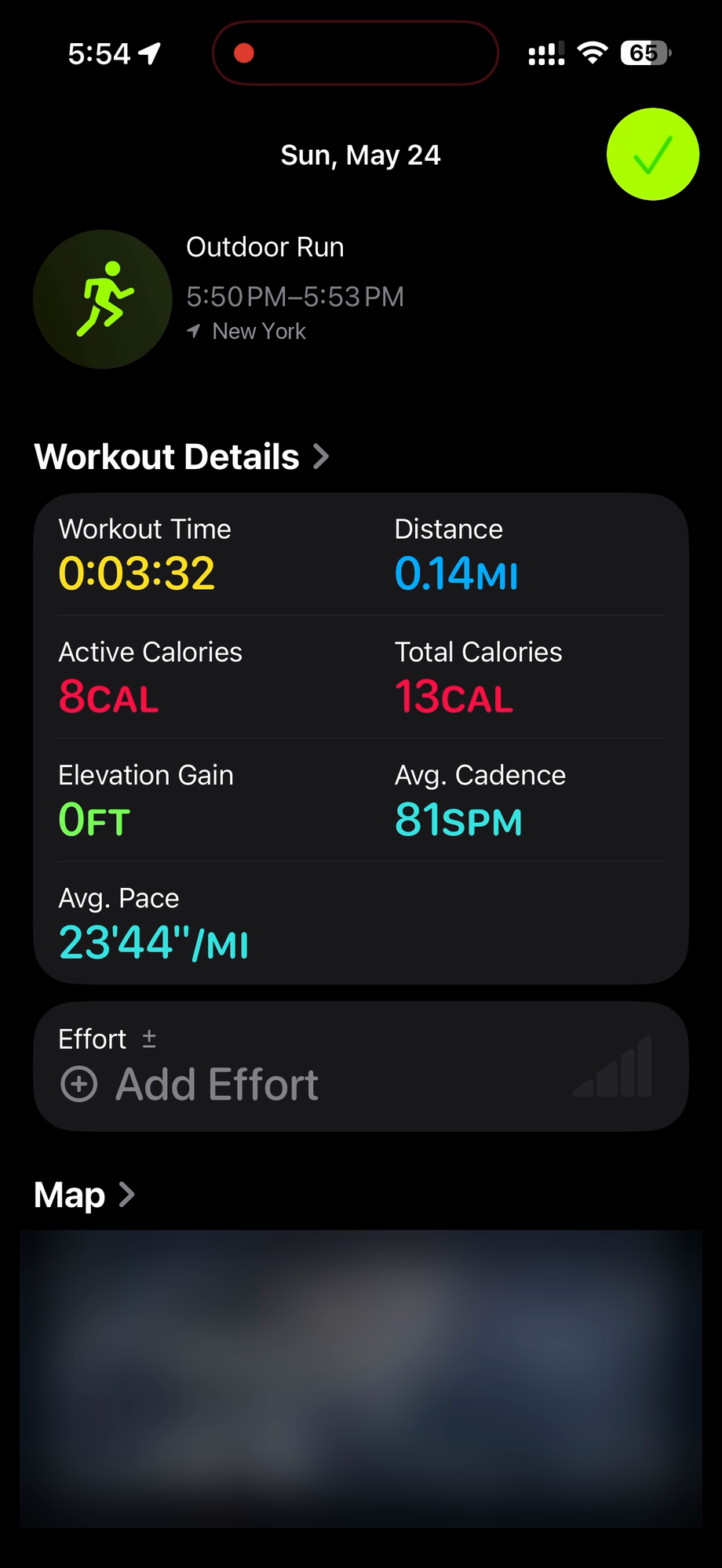
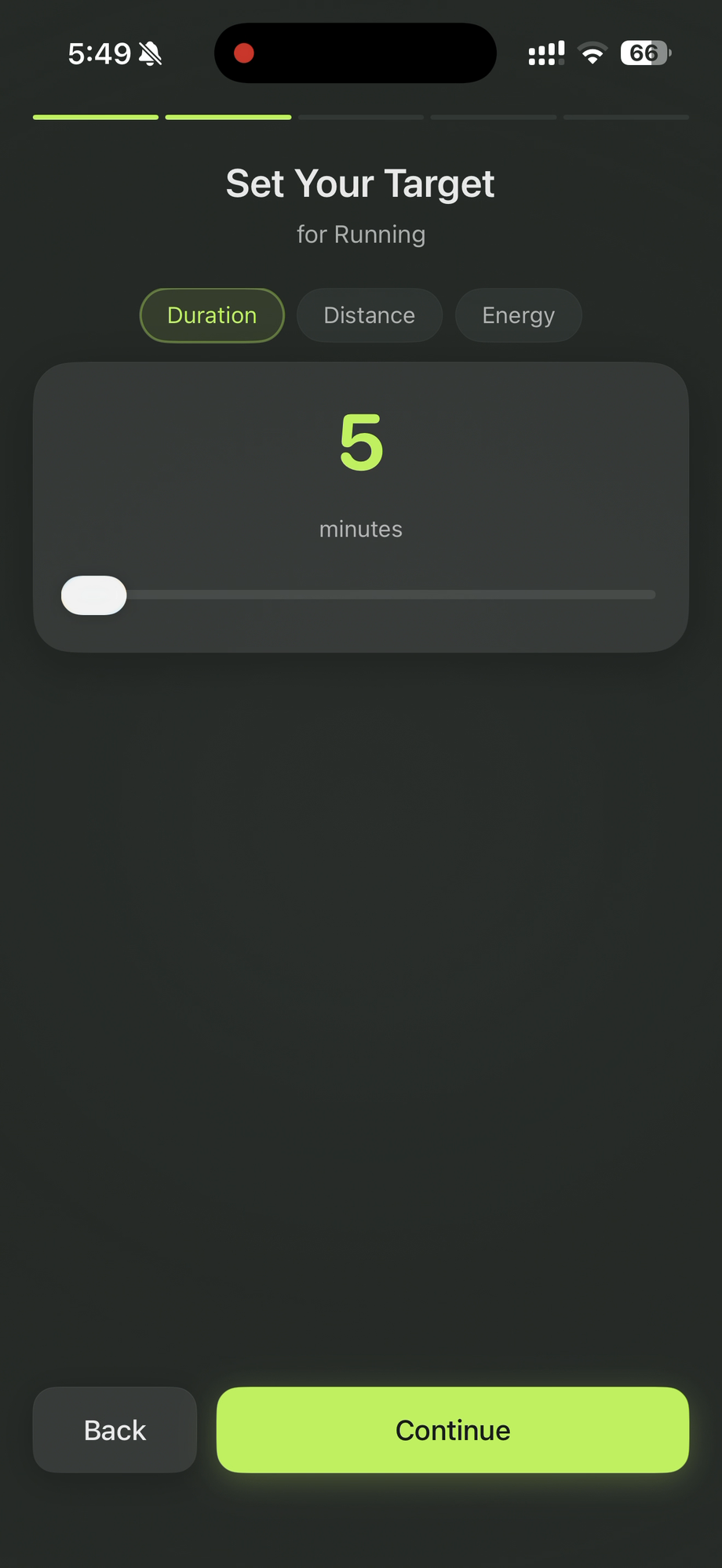
Discipline Lock uses Apple HealthKit and Apple Workout data to verify your fitness goals. You choose the apps you tend to lose time to, lock them, and only regain access after your daily workout goal has been completed and verified.
This is not punishment. It is a way to put the reward system back into real life.
Our phones give us instant feedback all day long: a like, a message, a notification, a new video. But the rewards that actually improve our lives usually take longer to feel. Discipline Lock is designed to rebalance that relationship. Take care of your body first. Keep your promise to yourself first. Then enjoy your entertainment.
I believe a good digital tool should not make people more anxious, and it should not turn people into machines. It should help people regain rhythm.
Discipline Lock is not about quitting technology. It is not anti-phone, anti-entertainment, or anti-AI. We already live in an age of AI and information overload, and that is not going backward. The real question is whether we can build healthier rules for how we live inside it.
Exercise and entertainment should not be enemies. Phones and real life should not be enemies either. But the order matters.
The purpose of Discipline Lock is simple: complete your commitment to your body, your health, and yourself first — then unlock the apps you enjoy.
I built this product because I believe that in the future, the scarcest thing will not be information. It will be attention, physical well-being, and the ability to control the rhythm of your own life.
I hope Discipline Lock can help more people regain that ability.
Not through painful self-discipline. But through a clear, real, and sustainable system.